


Since 2012 – Quality Wholesale Parts, Nationwide! Connect With Us Now
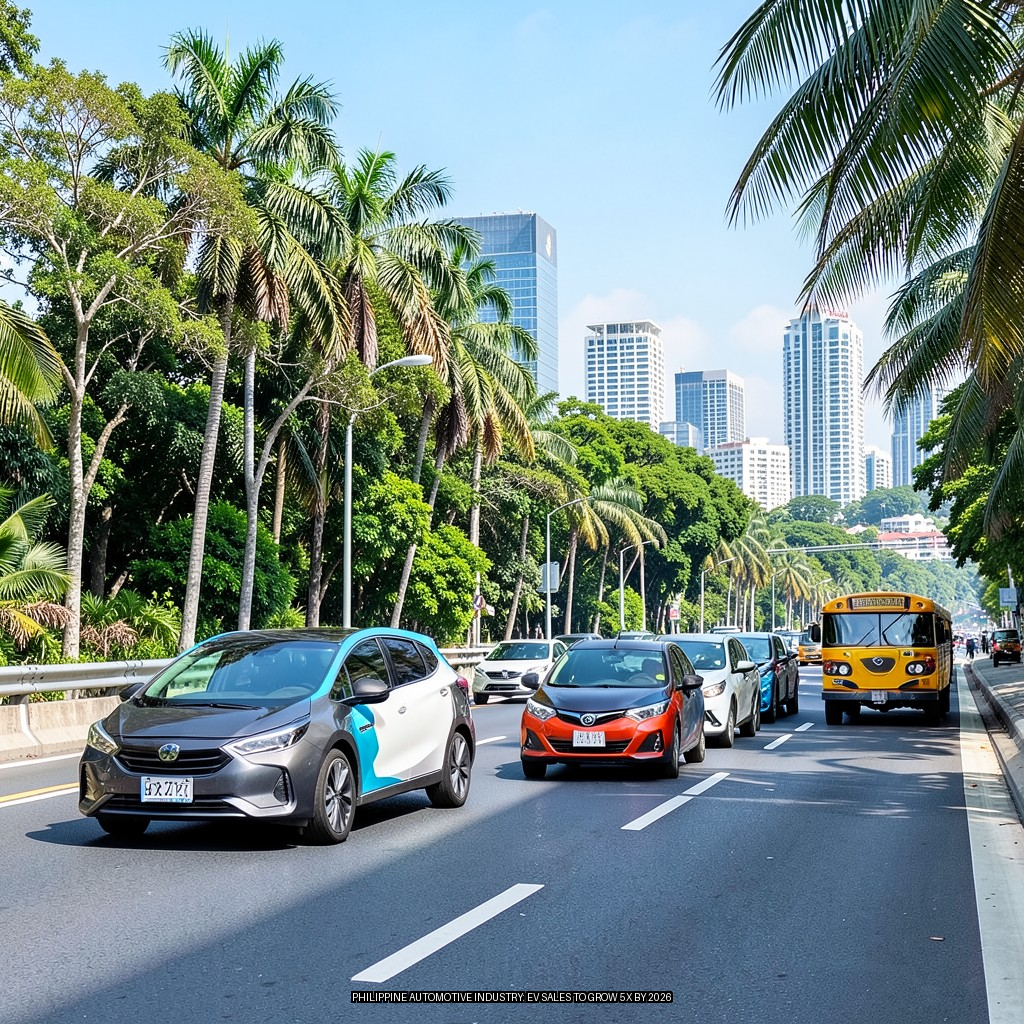
The Philippine automotive landscape is undergoing a transformative shift as we reach the midpoint of 2026, with electrification, digitalization, and changing consumer preferences reshaping how Filipinos think about mobility. From explosive growth in electric vehicle (EV) adoption to innovative business models and government-backed initiatives, the industry is accelerating toward a more sustainable and connected future.
Perhaps the most significant trend dominating Philippine automotive news in June 2026 is the accelerated adoption of electric vehicles. According to industry analysts, EV sales in the Philippines are expected to grow 5x by 2026 compared to previous years, driven by several converging factors.
The government’s Comprehensive Roadmap for the Electric Vehicle Industry (CREVI) has established clear goals and incentives for EV adoption, including reduced import duties and purchase incentives. Infrastructure development is keeping pace, with over 500 charging stations planned nationwide by 2026 to address range anxiety concerns.
This momentum is visible in showrooms across the country:
While pure EVs grab headlines, hybrid technology is finding particularly strong acceptance in the Philippine market, where fuel efficiency remains a top priority for budget-conscious consumers.
The Ford Territory Hybrid has emerged as a segment leader, cruising to the top of the Philippines’ small utility hybrid category. What’s particularly impressive is its sales trajectory�from just 1,000 units in the first three months to becoming a segment top-seller in under a year. This surge demonstrates Filipino buyers’ growing confidence in electrified powertrains that don’t require changing refueling habits.
Similarly, JETOUR Philippines reported an explosive 177 percent sales surge through May 2026, fueled primarily by its electrified models, while BAIC posted steady 10 percent sales growth in early 2026.
The transformation extends far beyond what powers the vehicles. Philippine consumers are increasingly embracing alternative mobility solutions driven by urban congestion and changing lifestyles.
Shared mobility services are experiencing significant growth, with ride-hailing, car-sharing, and micro-mobility (e-scooters and e-bikes) expanding rapidly in metropolitan areas. Analysts project these services will contribute over PHP 2 billion in urban mobility revenues by 2026.
Smart-city initiatives are driving demand for connected vehicles equipped with telematics, enabling AI-managed traffic systems and data-driven fleet solutions. As cities implement intelligent transportation systems, vehicles that can communicate with infrastructure and each other are becoming increasingly valuable.
How Filipinos research and purchase vehicles is also changing dramatically. Traditional showroom visits are being complemented�and in some cases replaced�by digital retail experiences.
Virtual showrooms allow consumers to explore vehicles in 3D from their homes, while subscription models offer flexibility that appeals to younger buyers unwilling to commit to long-term ownership. Mobility-as-a-Service (MaaS) platforms are emerging, bundling vehicle access, maintenance, insurance, and charging into single monthly payments.
These digital innovations are particularly relevant in a country with over 7,000 islands, where physical access to dealerships can be challenging for consumers in provincial areas.
Regulatory measures continue to play a crucial role in shaping the industry’s direction. Beyond CREVI, the government’s Public Utility Vehicle Modernization Program (PUVMP) is backing fleet modernization efforts, encouraging operators to replace aging jeepneys and buses with cleaner, more efficient models.
Reduced import duties on electric vehicles and components, along with streamlined registration processes for EVs, are lowering barriers to entry for both consumers and businesses.
Despite some headwinds mentioned in early 2026 reports (such as fuel price pressures affecting overall auto sales projections), the electrified vehicle segment is bucking the trend with surging demand and buyer confidence.
Analysts now see the Philippine mobility market surpassing USD 5 billion by 2026, with electric vehicles accounting for approximately 20% of new vehicle sales. This represents a significant shift from just a few years ago when EVs were rare curiosities on Philippine roads.
For today’s Filipino car buyer, these developments translate to:
As we move through the second half of 2026 and beyond, several developments warrant close watch:
The Philippine automotive industry is no longer just about moving from point A to point B�it’s about how we move, what powers our movement, and the broader impact on our cities and environment. For consumers, businesses, and policymakers alike, the road ahead promises to be both exciting and transformative.
Ready to upgrade your vehicle for the electric future? Browse our complete selection of automotive parts and accessories or contact our expert team for personalized advice on EV and hybrid components.
This article reflects automotive industry trends and developments in the Philippines as of June 2026, based on reports from AutoDeal Philippines, Philippine Hub Partners, and other industry sources.
Since 2012, KG Car PH has been the go-to for affordable car parts in the Philippines. We make it easy to find the right fit and offer same-day delivery nationwide—so you get quality parts fast, without spending more.
SOCIAL MEDIA
TOP CATEGORIES
QUICK LINKS
HELP
support@kgcar.ph
© 2026 KGCAR.PH
Since 2012, KG Car PH has been the go-to for affordable car parts in the Philippines. We make it easy to find the right fit and offer same-day delivery nationwide.
Enter your email or mobile so we can follow up with answers, quotes & deals.