


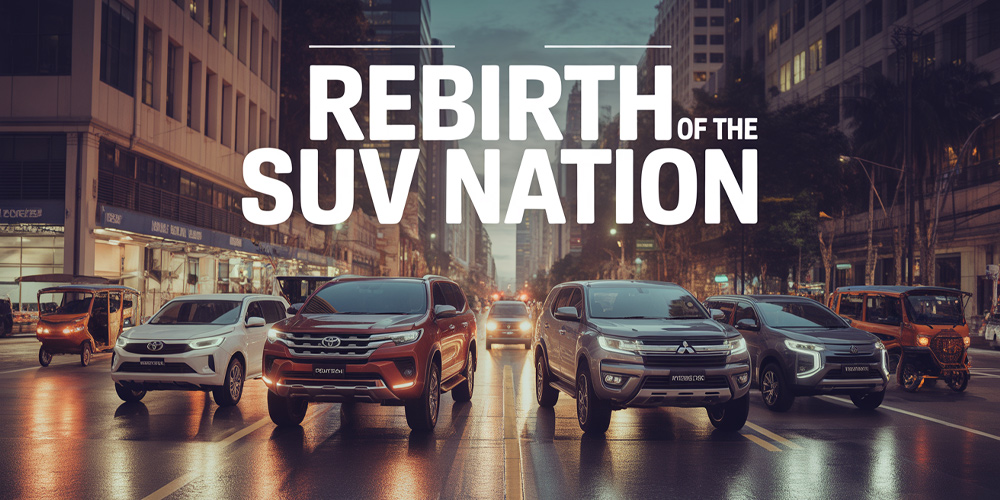
Despite record-high fuel prices and a growing push for electric mobility, one thing remains true on Philippine roads: Filipinos still love their SUVs. From the traffic-choked streets of Metro Manila to the winding roads of the Cordilleras, the hulking presence of midsize and compact SUVs continues to dominate — both as a symbol of practicality and aspiration.
At first glance, it seems irrational. With diesel hovering between ₱64 to ₱70 per liter and gasoline inching close to ₱80, SUVs — especially large diesel-fed ones — should have fallen out of favor. Yet, according to the Chamber of Automotive Manufacturers of the Philippines, Inc. (CAMPI), SUVs and pickups account for nearly 45% of all new vehicle sales in 2025, with models like the Toyota Fortuner, Mitsubishi Montero Sport, and Ford Everest consistently topping the charts.
Why? Because for many Filipinos, these vehicles are more than just transport — they represent security, versatility, and social stature.
“Filipinos see SUVs as a form of investment,” explains automotive analyst Mark Angeles. “They want something that can survive floods, carry family members, and look impressive for clients or social events. A subcompact sedan might save fuel, but it doesn’t inspire the same confidence.”
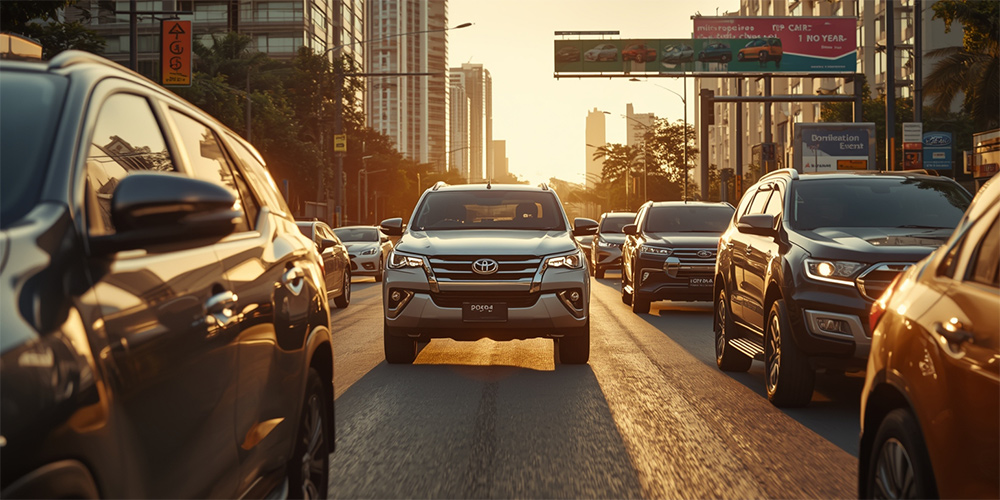
The SUV craze isn’t new. It began in the late 1990s, when the first-generation Pajero and CR-V arrived on Philippine shores. Back then, they were status symbols for the middle and upper class. Today, the appeal has trickled down — crossovers and smaller SUVs like the Toyota Raize, Geely Coolray, and Honda HR-V bring that same elevated feel at lower prices.
SUVs also match the Philippine driving environment. Potholes, uneven roadworks, and frequent flooding make ground clearance and robust suspension systems valuable assets. “A sedan simply can’t go where a Montero can,” says Angeles. “That’s a simple truth drivers consider.”
Then there’s the family factor. The Filipino family car isn’t just for parents and two kids — it’s often for grandparents, cousins, and neighbors hitching a ride. Seven-seater configurations have become essential, turning SUVs into the default “pambansang family car.”

While practicality plays a major role, the SUV’s prestige factor is just as strong. In a society where vehicles are often linked to personal success, size equates to status. Driving a larger car signifies upward mobility — a tangible display of achievement.
Dealers have capitalized on this psychology. Showrooms market SUVs not only for utility but as lifestyle statements — adventure, independence, and success wrapped in one package. Brands like Toyota and Ford now sell their SUVs with digital campaigns showing weekend mountain getaways, surfboards strapped to roof racks, and families smiling through muddy trails — all images that resonate with Filipino aspirations.
Even luxury carmakers are getting in on the trend. Lexus has the NX and RX; BMW sells more X-series than sedans; and even Chinese brands like Changan, GAC, and Jetour are finding local success with aggressively priced SUVs that undercut Japanese and American rivals.
So how do buyers reconcile the fuel cost issue? The answer lies in a uniquely Filipino mindset — “sulit.”
Many Filipino SUV owners justify fuel expenses through perceived long-term value. “Yes, it’s more expensive to fill up,” says Maria Luz Perez, a 38-year-old entrepreneur from Quezon City who drives a Ford Territory. “But it feels safer. It carries my kids, groceries, and business equipment. I’d rather spend more for peace of mind.”
The emergence of diesel efficiency technologies has also softened the blow. Modern turbo-diesel engines like Toyota’s GD series and Ford’s EcoBlue promise better mileage — some averaging 12 to 16 km/L on highways, comparable to compact sedans from a decade ago.
Meanwhile, smaller crossovers with 1.0L turbo engines or hybrid systems offer SUV looks with better fuel efficiency. This “urban SUV” category has exploded, with models like the Raize, Coolray, and Corolla Cross redefining what it means to own an SUV in the city.
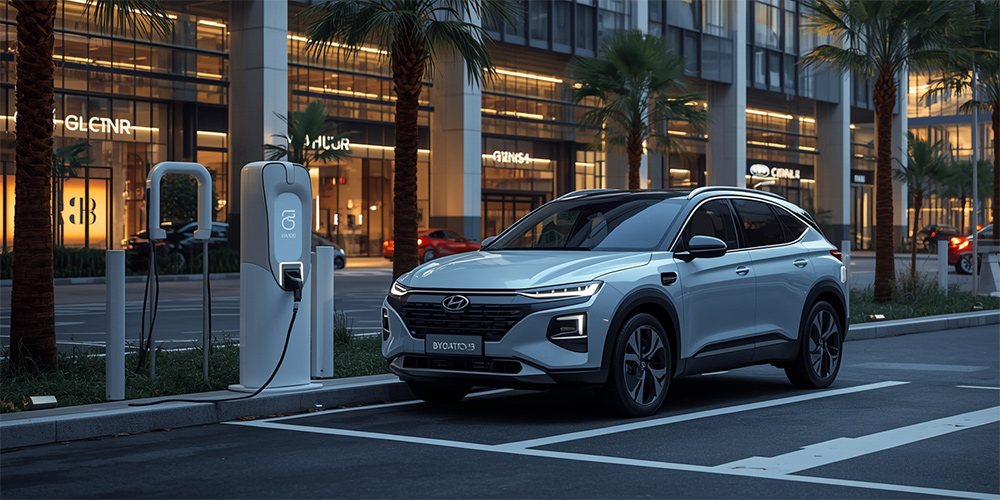
As electric and hybrid options expand in 2025, the SUV form factor remains dominant. The BYD Atto 3, Hyundai Ioniq 5, and Nissan Kicks e-Power represent a new generation of electrified SUVs tailored for Philippine conditions. The Department of Energy projects that EVs and hybrids could make up 10% of total vehicle sales by 2027, with SUVs leading that transition.
Even government policy acknowledges the cultural power of SUVs. Under the Electric Vehicle Industry Development Act (EVIDA), imported electric SUVs enjoy zero import duties, making them increasingly accessible to affluent Filipino buyers looking for eco-friendly prestige.
The future of the Philippine car market, it seems, won’t abandon the SUV — it will simply electrify it.