Introduction
Understanding your tire size is crucial for vehicle safety, performance, and making the right replacement choices. Saferich tires, known for their quality and affordability in the Philippine market, come in sizes ranging from R12 to R20. This guide will help you decipher the sidewall markings on your Saferich tires so you can confidently choose the right replacements.
Understanding Tire Sidewall Markings
When you look at the sidewall of your Saferich tire, you’ll see a series of numbers and letters that look something like this: 185/65R15 88H. Each section provides specific information about the tire’s specifications.
Breaking Down the Code: 185/65R15 88H
1. Width (185)
The first three digits represent the tire width in millimeters
- In our example: 185mm wide
- Saferich offers widths ranging from 145mm to 285mm depending on the model and size
2. Aspect Ratio (65)
The two-digit number after the slash represents the aspect ratio
- This is the height of the tire’s sidewall as a percentage of its width
- 65 means the sidewall height is 65% of the tire’s width
- Lower numbers (like 45 or 50) indicate low-profile tires for sportier handling
- Higher numbers (like 70 or 75) indicate taller sidewalls for a smoother ride
3. Construction Type (R)
The letter after the aspect ratio indicates the tire’s construction
- “R” stands for Radial construction (standard for almost all modern tires)
- You might also see “B” for Bias-ply or “D” for Diagonal (less common in passenger vehicles)
4. Wheel Diameter (15)
The two-digit number after the construction letter represents the wheel diameter in inches
- This tells you what size wheel the tire is designed to fit
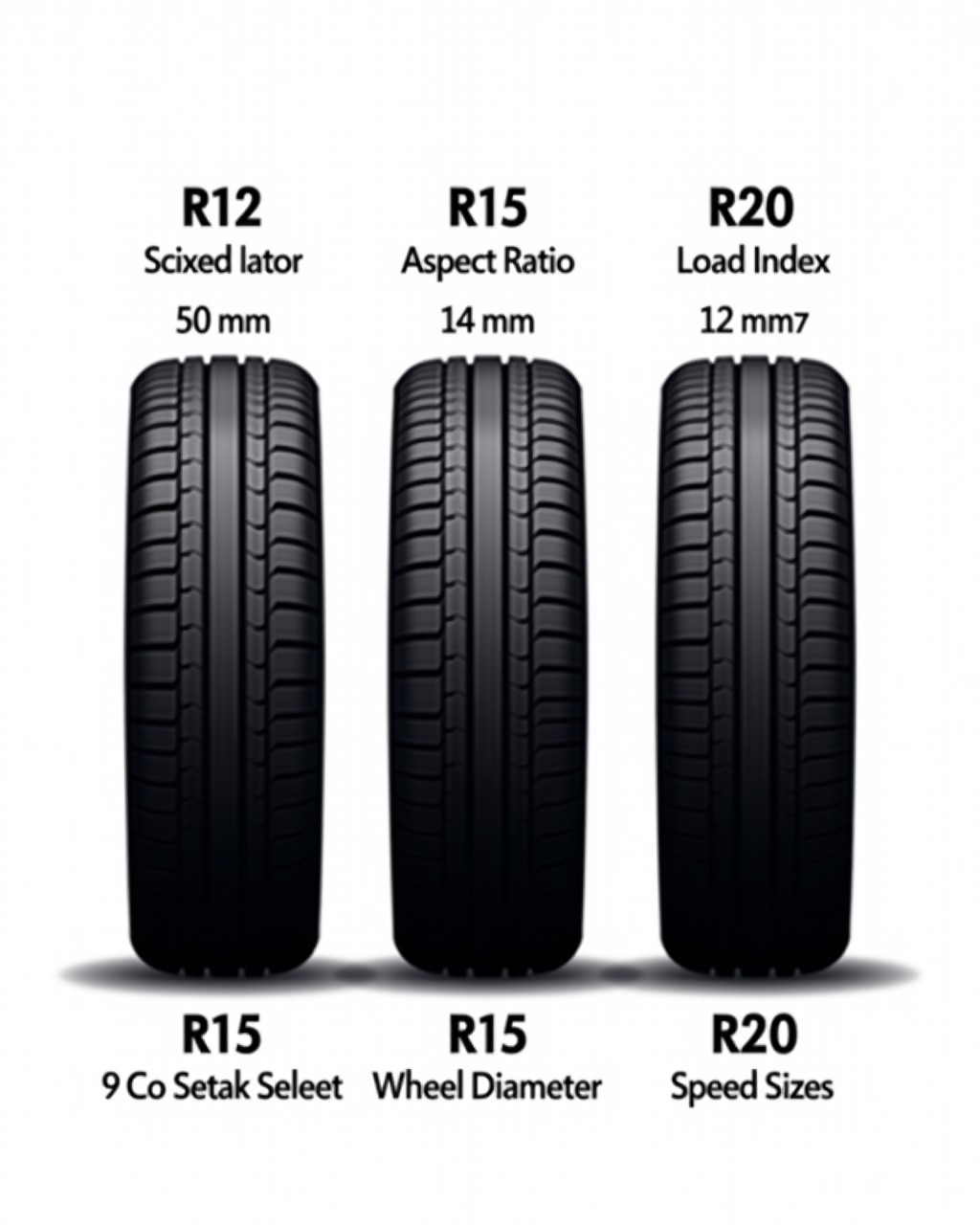
- Saferich offers sizes from R12 (12-inch wheels) up to R20 (20-inch wheels)
5. Load Index (88)
The two or three-digit number after the wheel diameter represents the load index
- This indicates the maximum weight each tire can support when properly inflated
- Load index 88 corresponds to 560 kg (1,235 lbs) per tire
- Always replace tires with the same or higher load index as recommended by your vehicle manufacturer
6. Speed Rating (H)
The final letter represents the speed rating
- This indicates the maximum speed the tire can safely maintain over time
- H rating = up to 210 km/h (130 mph)
- Common speed ratings for Saferich tires include:
- T: 190 km/h (118 mph)
- H: 210 km/h (130 mph)
- V: 240 km/h (149 mph)
- W: 270 km/h (168 mph)
Saferich Tire Size Range (R12-R20)
Saferich produces tires for a wide range of vehicles commonly found in the Philippines:
R12-R13: Small City Cars & Older Models
- Typical sizes: 155/80R13, 165/70R12, 155/65R13
- Common vehicles: Toyota Wigo, Hyundai Eon, older Toyota Corolla models
- Ideal for: City driving, fuel efficiency, budget-conscious consumers
R14: Compact & Subcompact Cars
- Typical sizes: 175/65R14, 185/60R14, 185/65R14
- Common vehicles: Toyota Vios, Honda City, Hyundai Accent, Kia Rio
- Ideal for: Daily commuting, balanced comfort and handling
R15: Mid-size Sedans & Compact SUVs
- Typical sizes: 185/55R15, 195/60R15, 205/65R15, 205/55R16
- Common vehicles: Toyota Corolla, Honda Civic, Mazda 3, Ford Focus, Toyota Rush
- Ideal for: Mixed city/highway driving, family transportation
R16: Mid-size SUVs & Crossover Vehicles
- Typical sizes: 215/65R16, 225/60R16, 235/60R16, 225/55R17
- Common vehicles: Toyota Fortuner, Isuzu D-Max, Mitsubishi Montero Sport, Hyundai Tucson
- Ideal for: Versatile driving, light off-road capability, family adventures
R17-R18: Larger SUVs & Premium Sedans
- Typical sizes: 225/60R17, 235/55R17, 225/50R18, 235/50R18, 245/45R18
- Common vehicles: Toyota Camry, Honda CR-V, Nissan Terra, Ford Everest
- Ideal for: Highway cruising, comfort, premium feel
R19-R20: Premium SUVs & Performance Vehicles
- Typical sizes: 235/55R19, 255/50R19, 265/50R20, 275/45R20
- Common vehicles: Toyota Land Cruiser, Ford Explorer, Mitsubishi Pajero Sport
- Ideal for: Premium comfort, off-road capability, stylish appearance
How to Find Your Correct Tire Size
Method 1: Check Your Current Tires
The easiest way is to look at the sidewall of your currently installed tires. The size will be clearly marked in the format described above.
Method 2: Check Your Driver’s Door Jamb
Open your driver’s side door and look for a sticker on the door jamb. This sticker typically shows:
- Recommended tire size
- Recommended tire pressure for front and rear tires
- Vehicle weight capacity information
Method 3: Consult Your Owner’s Manual
Your vehicle’s owner’s manual will specify the exact tire size, load index, and speed rating recommended by the manufacturer.
Method 4: Check Your Fuel Cap or Glove Compartment
Some vehicles have tire information stickers located on the inside of the fuel door or in the glove compartment.
Why Correct Tire Size Matters
Safety Implications
- Handling: Incorrect tire size can affect how your vehicle handles, especially during emergency maneuvers
- Braking: Wrong size tires can increase stopping distances
- Stability: Incorrect sidewall height can affect vehicle stability at high speeds
- Clearance: Tires that are too large may rub against suspension components or fenders
Performance Impact
- Fuel Efficiency: Incorrect tire size can negatively impact fuel consumption
- Speedometer Accuracy: Wrong tire diameter causes speedometer and odometer inaccuracies
- Ride Comfort: Incorrect aspect ratio can make ride too harsh or too soft
- Load Capacity: Incorrect load index can lead to tire failure under heavy loads
Legal & Insurance Considerations
- Using incorrect tire size may violate vehicle safety regulations
- Insurance claims could be affected if incorrect tire size contributed to an accident
- Vehicle warranty could be voided if unauthorized tire sizes cause damage
Saferich-Specific Considerations
Load Index Recommendations
When replacing Saferich tires, always match or exceed the load index specified by your vehicle manufacturer. Saferich offers various load index options within each size to accommodate different vehicle weights.
Speed Rating Guidelines
- For city driving and highway cruising: T or H rating is usually sufficient
- For frequent highway driving or spirited driving: Consider V rating
- For high-performance vehicles: W rating or higher may be appropriate
- Never go lower than the speed rating recommended by your vehicle manufacturer
Seasonal Considerations in the Philippines
While the Philippines doesn’t experience severe winters, consider:
- Rainy Season (June-November): Ensure adequate tread depth for wet weather traction
- Hot Summer Months (March-May): Proper inflation is critical as heat increases tire pressure
- Year-round: Regular rotation and balancing promote even wear
Maintenance Tips for Saferich Tires
Regular Inspection
- Check tire pressure monthly (including spare)
- Look for uneven wear patterns, cuts, bulges, or objects embedded in tread
- Check tread depth regularly – replace when tread depth reaches 1.6mm
Proper Inflation
- Underinflation causes excessive heat buildup and premature wear
- Overinflation reduces traction and causes uneven center wear
- Always check pressure when tires are cold (before driving or after short trip)
Rotation & Alignment
- Rotate tires every 10,000 km or as recommended by vehicle manufacturer
- Get wheel alignment checked annually or if you notice pulling to one side
- Proper alignment extends tire life and improves fuel efficiency
When to Replace Your Saferich Tires
Tread Wear Indicators
Saferich tires have built-in tread wear indicators (small rubber bars across the tread). When the tread wears down to these bars, it’s time to replace the tires.
Age Consideration
Even if tread looks good, consider replacing tires every 5-6 years due to rubber degradation. Check the DOT code on the sidewall for manufacturing date.
Signs of Damage
- Cracks in sidewall or tread
- Bulges or bubbles (indicates internal damage)
- Vibration at high speeds (could indicate belt separation or balance issues)
- Repeated air loss (could indicate slow leak or rim damage)
Conclusion
Understanding your Saferich tire size markings empowers you to make informed decisions about tire replacement and maintenance. Whether you drive a compact city car with R13 tires or a full-size SUV with R20 tires, knowing how to read the sidewall ensures you select the correct replacement tires for safety, performance, and longevity.
Remember: When in doubt, consult with a professional tire technician or refer to your vehicle’s owner’s manual for the exact specifications recommended by your vehicle manufacturer.
Drive safely, and enjoy the road with properly fitted Saferich tires!
Keywords: Saferich tires, tire size guide, tire sidewall markings, R12-R20 tires, Philippine tire market, tire maintenance, load index, speed ratio
Hashtags: #SaferichTires #TireSizeGuide #PhilippineCars #TireMaintenance #AutoCarePH #CarCareTips #TireSafety #WheelSize